2025 Capital PKAL Regional Network Meeting
Reimagining STEM Education: Infusing Community Engagement and Humanity in the Age of Artificial Intelligence
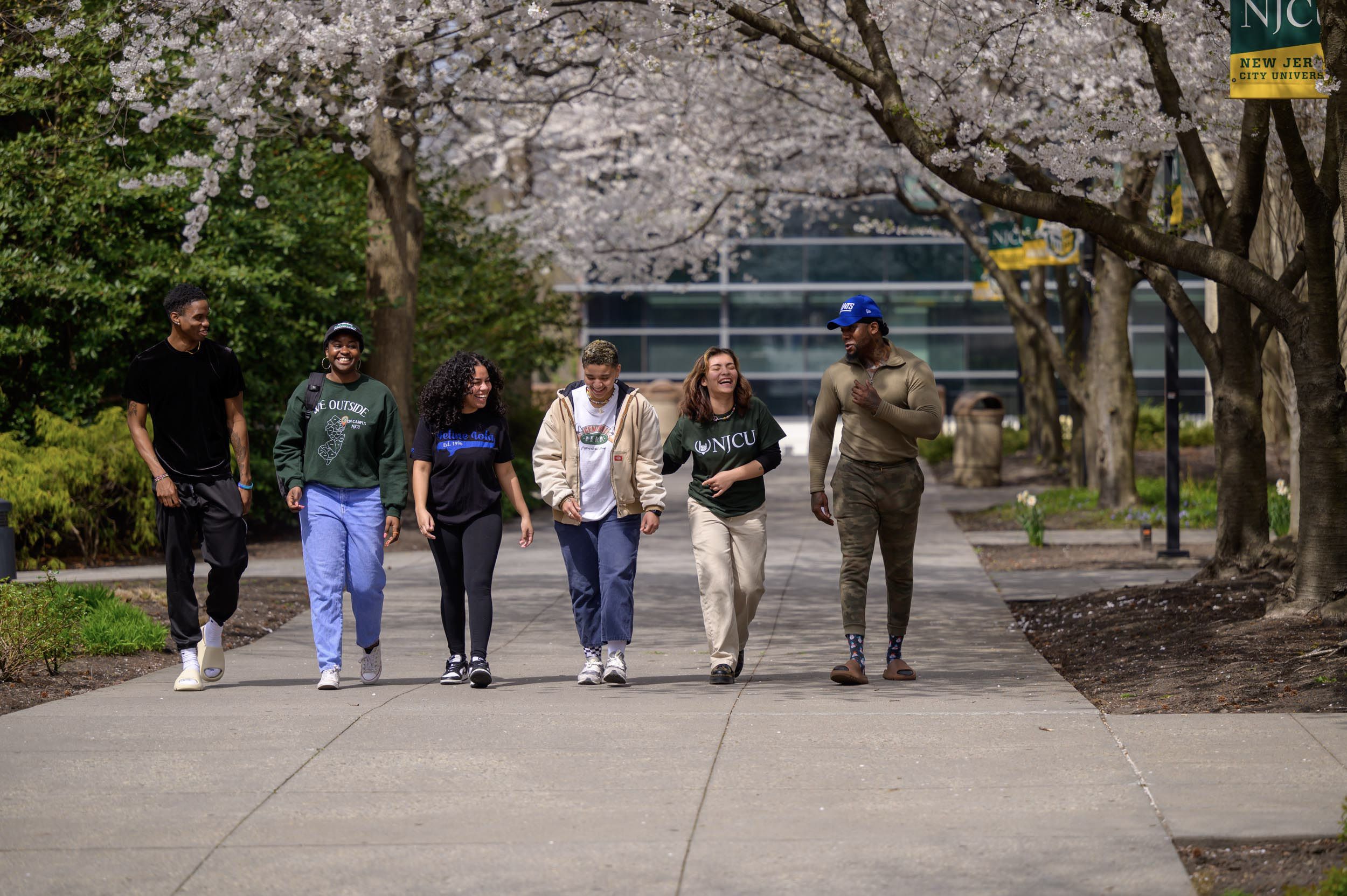
Hosted by New Jersey City University
May 2, 2025
–
Virtual Event
This meeting has passed.
Overview
The Project Kaleidoscope (PKAL) Regional Networks provide low-cost, effective professional development opportunities for STEM faculty and administrators to foster a caring community, explore and advance modern undergraduate STEM pedagogies, disseminate findings from undergraduate STEM research and practice, and promote STEM faculty career advancement.
The Capital PKAL Regional Network welcomes all faculty and administrators from public and private 2- and 4-year higher education institutions to submit proposals for its upcoming Regional Network Meeting. Proposals that directly align with the Regional Network Meeting theme are encouraged. However, other proposal topics that extend beyond this year’s theme and focus on improving undergraduate STEM education are also welcomed.
Meeting Theme
In an increasingly interconnected and AI-driven world, undergraduate STEM education must evolve to meet the demands of a more human-centered approach. This Regional Network Meeting will explore how custom-tailored pedagogy and community-engaged learning can transform the STEM higher education landscape, ensuring that it not only embraces the power of AI but also remains deeply rooted in humanity. Through collaborative sessions, we will reimagine STEM curricula that place humanity at the forefront of technological advancement, fostering a new generation of scientists and engineers who are both competent and committed to solving global challenges.
Attendees will discuss innovative strategies for integrating AI ethically into STEM teaching while addressing issues such as presence, quality, and the development of community partnerships. Together, we will explore how to harness technology’s potential while reinforcing the importance of empathy, reasoning, and community engagement in shaping the future of undergraduate STEM education.
Meeting Tracks
Track 1: Exploring Community Engagement as an Experiential Opportunity to Promote Ethical Navigation of Artificial Intelligence (AI) in STEM Education
This track explores the transformative role of artificial intelligence in fostering active community participation and collaboration. By harnessing innovative AI technologies, we can enhance communication, streamline feedback processes, and facilitate full decision-making. Join us in discovering how AI can bridge gaps, amplify voices, and create more vibrant, connected communities, ultimately transforming local engagement into a powerful force for positive change.
Track 2: Putting Humanity at the Forefront of STEM Education: AI at the Intersection of Technology and Perspective
This track explores the vital intersection of artificial intelligence and awareness of all perspectives. Discover how AI can be designed and implemented to respect social nuances and cater to all communities. We’ll delve into compelling case studies, best practices, and innovative strategies for creating AI solutions that are not only intelligent but also relevant. Let’s revolutionize AI together by making it meaningful and useful for everyone!
Track 3: Reevaluating STEM Student Learning Outcomes: Critical Thinking, Reasoning, and Career Readiness in the Age of AI
This track navigates the evolving landscape shaped by advancements in AI, which is essential to re-evaluate undergraduate STEM student learning outcomes, particularly in terms of critical thinking, reasoning, and career readiness. The integration of AI technologies into various fields highlights the necessity for students not only to acquire technical skills but also to develop the ability to analyze complex problems, make decisions, and adapt to rapidly changing job markets.
Presentation Formats
When submitting a proposal, please select your preference from among the three presentation formats listed below.
Format 1: Panel (45 minutes)
Panels of 3 or 4 individuals will discuss a Meeting theme for 35 minutes and will prepare for 10 minutes of Q&A.
Format 2: Individual Presentation (30 minutes)
Individual presenters will use PowerPoint to deliver a presentation on one Meeting theme for 20 minutes and will prepare for 10 minutes of Q&A.
Format 3: Workshop (45 minutes)
Workshop facilitators will lead a discussion about a Meeting theme, provide materials for attendees to reflect on for 35 minutes, and will prepare for 10 minutes of reflection on shared learnings.
For More Information
Please direct questions about the proposal submission process to Dr. Yufeng Wei at ywei@njcu.edu. For questions about the PKAL Regional Networks, please email pkal-networks@aacu.org.

Important Dates to Remember
Call for proposals opens.
Registration opens.
Call for proposal submission closes.
Notices of acceptance released.
Registration closes.
Capital PKAL Regional Network Meeting (virtual) 8:30 am- 4 pm
Capital PKAL Regional Meeting Director
Your host for this meeting is Dr. Yufeng Wei (Associate Professor and Chair, New Jersey City University). For more information about the meeting, please contact them directly.
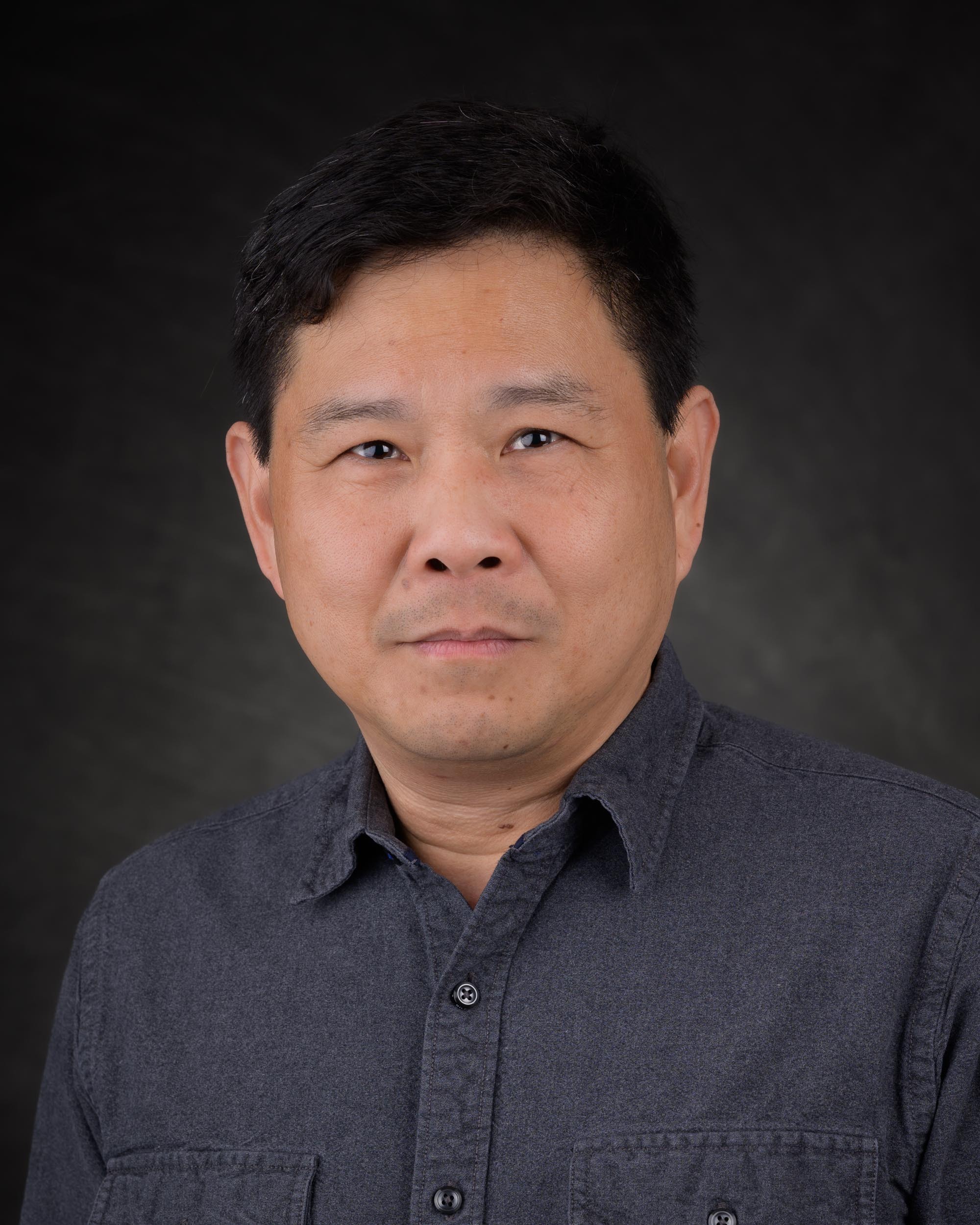
Dr. Yufeng Wei
New Jersey City University
ywei@njcu.edu