Podcast
Ross Channing Reed, Missouri University of Science and Technology - Why the Greek Virtue of Sophrosyne Matters for Us Today
What is the Greek virtue of sophrosyne and why is it important today?
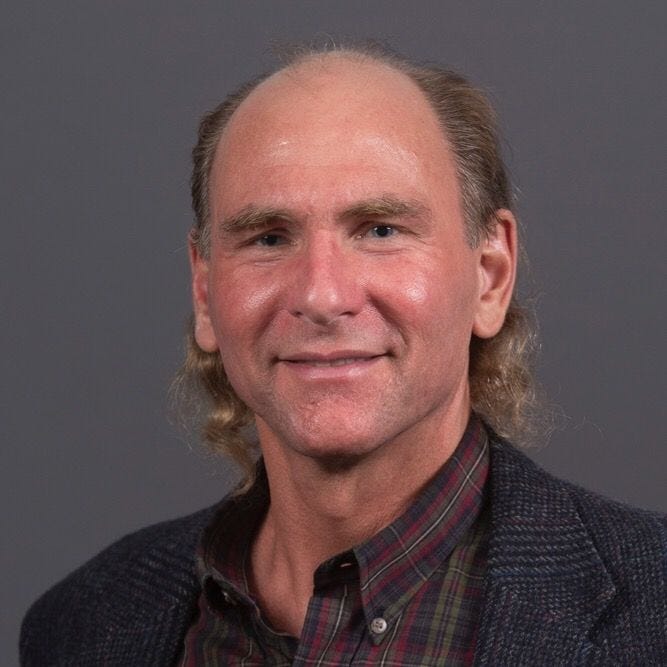
Ross Channing Reed, assistant teaching professor of philosophy at the Missouri University of Science and Technology, tells us.
Faculty Bio:
What is the Greek virtue of sophrosyne and why is it important today? I’m Dr. Lynn Pasquerella, president of The American Association of Colleges & Universities, and today on The Academic Minute: Ross Channing Reed, assistant teaching professor of philosophy at the Missouri University of Science and Technology, tells us.
Transcript:
Texting while driving. Bullying others on social media. Buying into the latest conspiracy theory. Passing off AI generated work as your own.
This might seem like a random list of 21st-century vices. But I’d argue they’re all examples of the loss of one particular ancient Greek virtue: sophrosyne.
For the Greeks, sophrosyne was an intellectual and moral virtue key to self-knowledge, wisdom, and the good life, representing excellence of character, moderation, and self-control. Sophrosyne was connected to phronesis—practical wisdom. Sophrosyne stood in marked contrast with hubris—excessive pride, dangerous overconfidence, and lack of self-insight.
As a philosopher and philosophical counselor, my research centers on the intersection of virtue and happiness. I’ve noticed a pronounced connection between sophrosyne and happiness. Evidence indicates that sophrosyne is a requirement for human flourishing.
Sophrosyne is not inborn but must be learned through sustained guidance and individual initiative. Aristotle, for example, maintains that you develop sophrosyne like you would learn to play a sport or a musical instrument.
The loss of sophrosyne has led to an increase in incivility, a diminished attention span and ability to focus, and is associated with screen addiction, rejection of science, the rise of extreme beliefs, political polarization, the loss of trust in people and institutions, and the global decline of democracy.
There are a number of factors, I’d argue, that have led to the loss of sophrosyne, including a decrease in funding for education, greater economic inequality, and the decline of mentoring relationships. Today, mentors have largely been replaced by celebrities and hero culture, with the rich and famous held up as examples worthy of emulation.
Temperance, moderation, self-control, discernment – qualities such as these add up to a timeless excellence of character that cannot be faked. Research shows that becoming such a person requires guidance, practice and consistency.
Read More:
[Psychology Today] - Ross Channing Reed
[The Philosophical Salon] - About Ross Reed
[The Conversation] - Ross Channing Reed
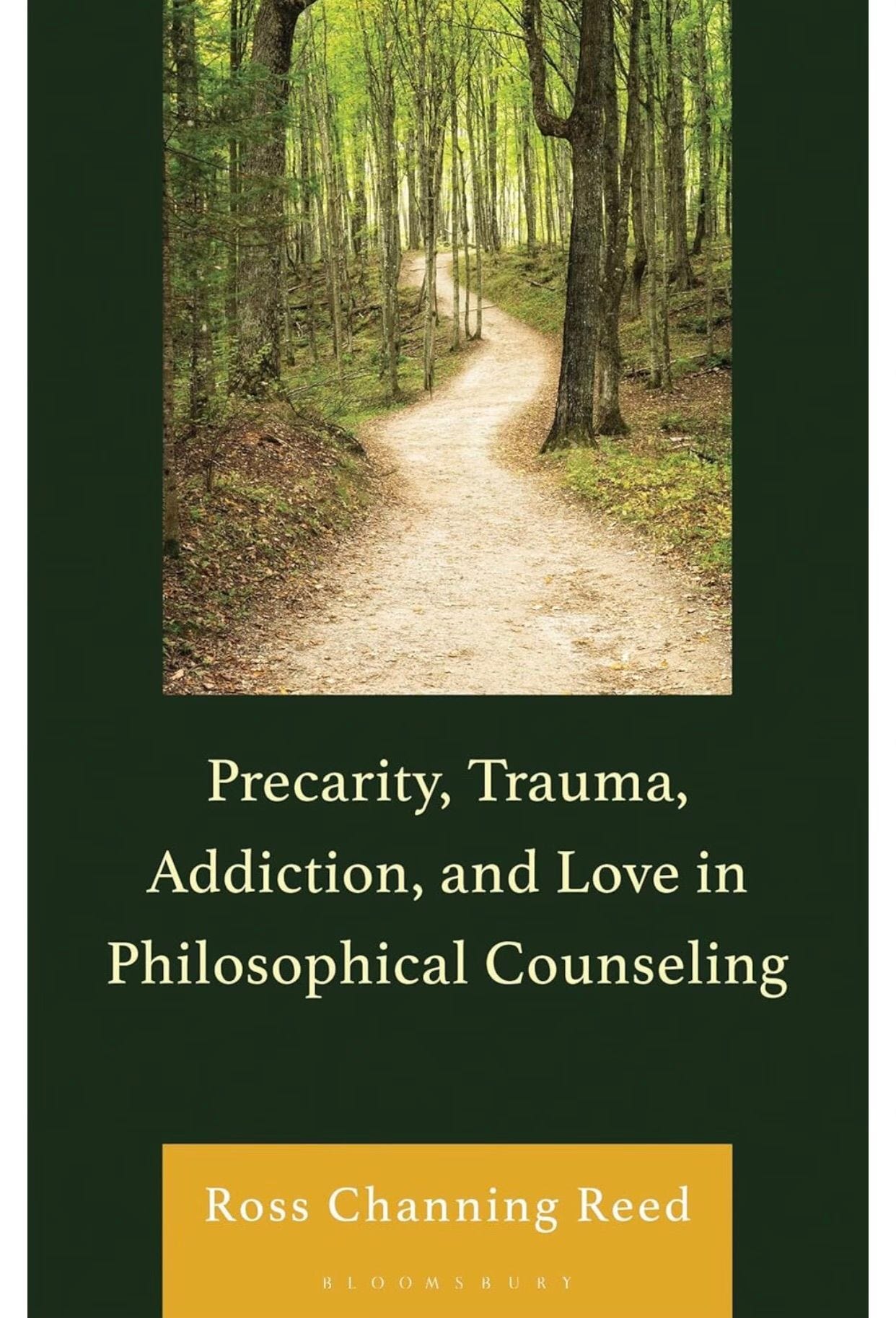
[Bloomsbury] - Precarity, Trauma, Addiction, and Love in Philosophical Counseling