Podcast
Kent Kauffman, Purdue University Fort Wayne - Misunderstandings and Threats to Academic Tenure

Is tenure for professors misunderstood?
Kent Kauffman, professor of business law at Purdue University Fort Wayne, says yes.
Faculty Bio:
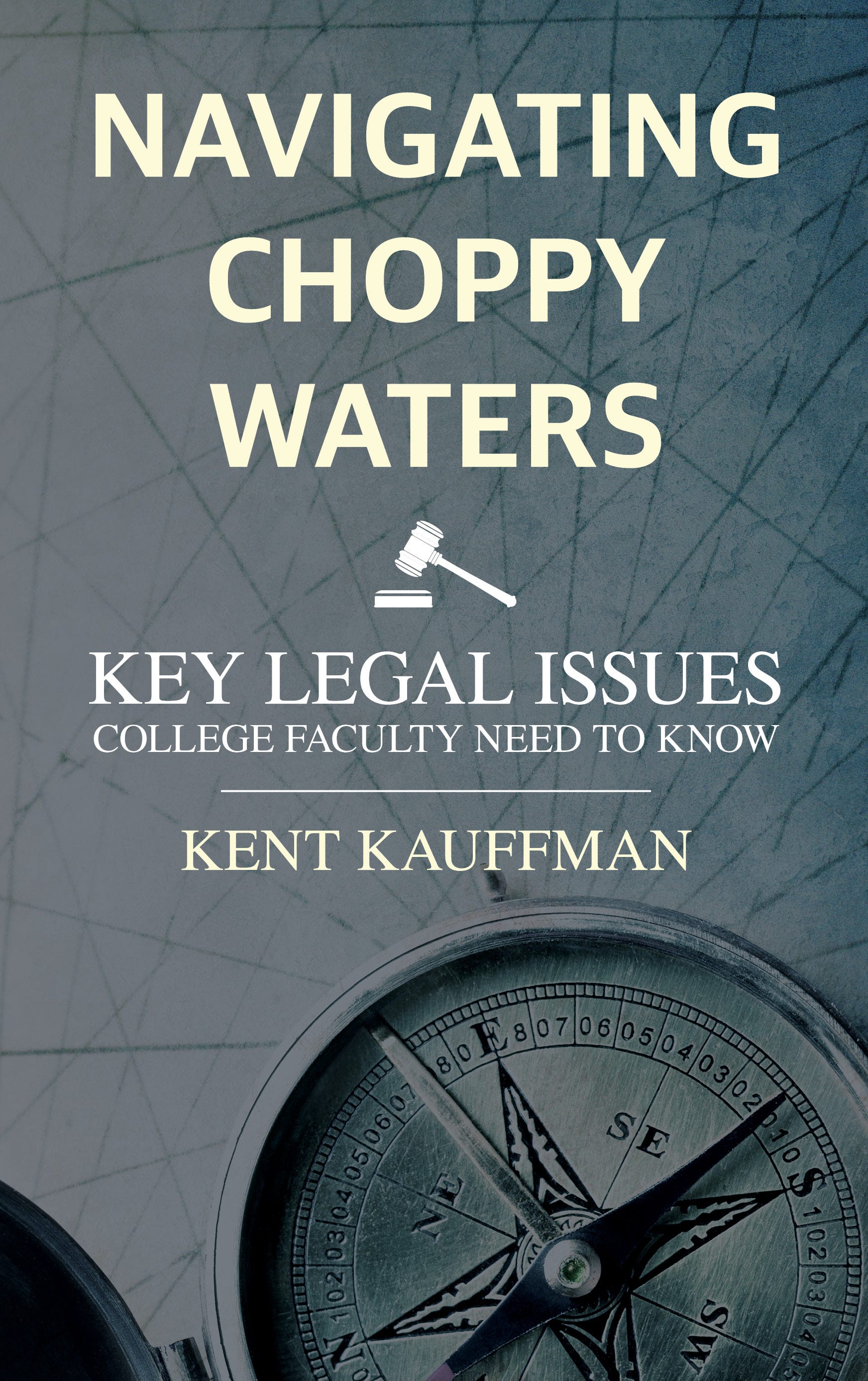
Kent Kauffman is Professor of Business Law, and MBA Programs Faculty Liaison, in the Doermer School of Business at Purdue University Fort Wayne. He is the author of “Navigating Choppy Waters: Key Legal Issues Faculty Need to Know,” published by Bloomsbury, which tackles the vital legal dilemmas faculty face in their work as scholars and teachers.
Transcript:
Tenure has a history that is centuries old. Harvard had a form of it when Massachusetts was a colony, and Thomas Jefferson provided it to faculty at the college he founded, the University of Virginia. Sadly, to many tenure is the gimmick that protects professors from ever getting fired. Not only does tenure not create a job for life, but more faculty don’t have tenure than do by a ratio of over two to one. That does not bode well for academic freedom, tenure’s first purpose. While academic freedom is for all faculty, including part-time instructors, those with tenure are its best defenders.
To those who achieve it, tenure creates a vested interest in continued employment. This means tenured faculty have a binding expectation of continued employment, except for what the law categorizes as “just” or “adequate cause.” In fact, the apt comparison to tenured faculty are federal judges, who—like professors—occasionally do things that are politically unpopular but who Article III of the Constitution grants “tenure during good behavior.” Private university faculty have tenure rights from applicable tenure policies, while public university faculty also have the 14th Amendment’s due process clause as a source for tenure protection.
But tenure is not a kingly right. There are commonly accepted, “adequate cause” reasons for revoking tenure: serious misconduct; incompetence; and a financial emergency at one’s university. However, the prevailing misimpression about the reasons behind tenure and the failure to understand that tenure benefits more than those who have it, has contributed to a threat to tenure’s existence. Some states have worked to restrict or abolish it. But this year, a Tennessee legislator withdrew his bill to eliminate tenure, at least temporarily, after learning about tenure’s history and purposes. Thomas Jefferson would have cheered.
Read More:
[Bloosmbury] - Navigating Choppy Waters