Podcast
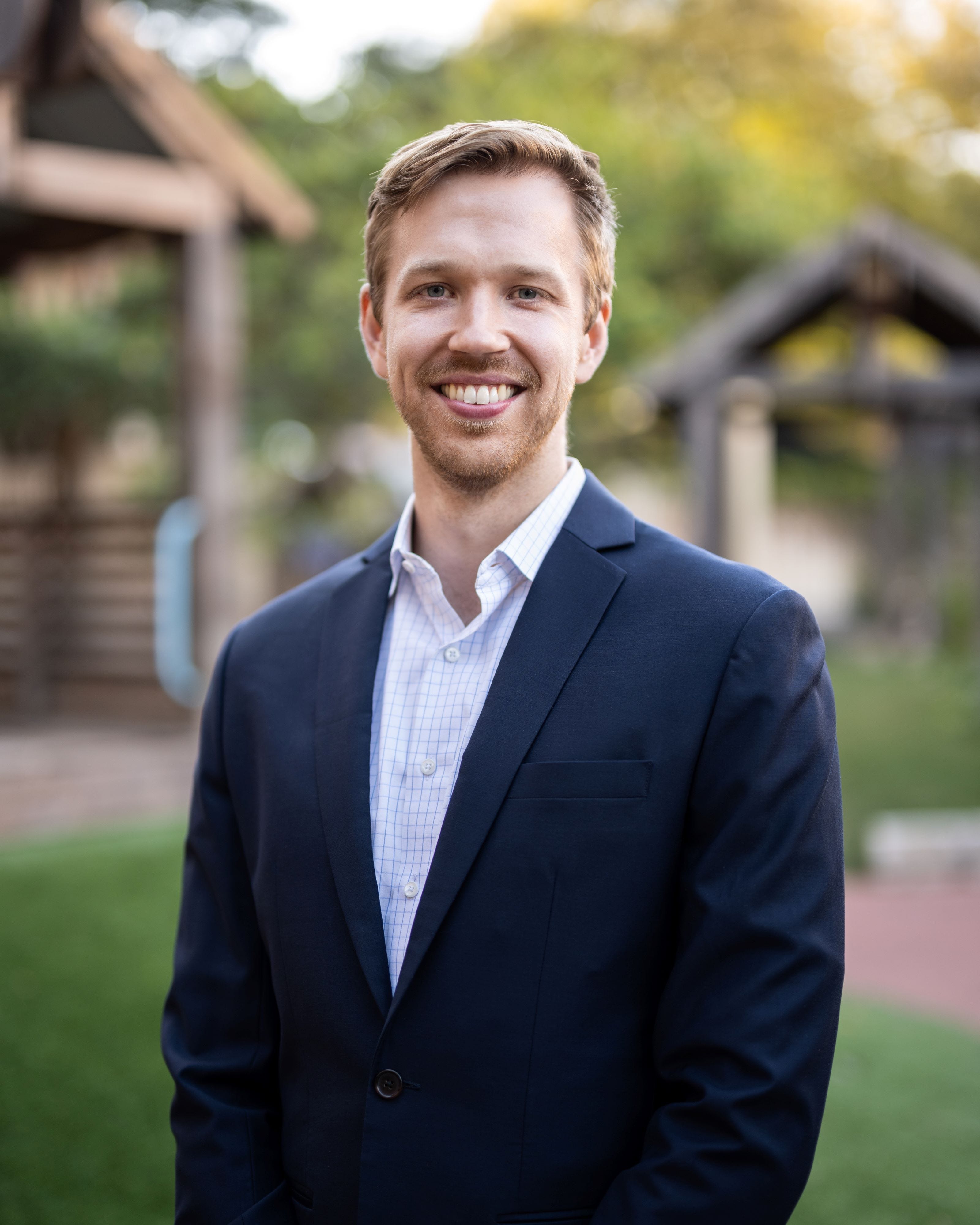
Andrew Koepp, New York University - Third-Grade Behavior Could be a Preview of Educational Success
Can self-control in third grade predict your success later in life?
Andrew Koepp, assistant professor of applied psychology at New York University, examines whether it can.
Faculty Bio:
Dr. Koepp is a developmental psychologist who studies how early education settings foster children’s development. Much of his research leverages within-person designs to understand how to support children in applying self-regulation in service of their learning. Together with classroom observations and ecological momentary assessment, he collects high-volume behavioral data from wearable devices to collect intensive observations of children’s everyday behavior and experiences. In addition to observational designs that “zoom in” on daily experiences, he also uses national, longitudinal datasets to “zoom out” and understand contextual influences on children’s development in diverse populations. Across his work, he bridges basic and applied science to create practical knowledge to inform interventions and educational practice to support children’s development. He has obtained funding from the National Science Foundation to support his work and has published in leading journals such as JAMA Pediatrics, Child Development, Developmental Psychology, and Developmental Science.
Prior to joining NYU, Andrew completed postdoctoral training at the University of Pennsylvania. In 2023, he was awarded a fellowship from the National Academy of Education/Spencer Foundation.
Transcript:
Think back to your third-grade classroom. What kind of a student were you? If you’re like most of us, there were times you were attentive and engaged and there were other times when you were restless and distracted. In those moments, my third-grade teacher used to tell us, “I might have just done a cartwheel and you would have missed it.”
I believe that if we can understand when and why children have more self-control, we can create more moments of engaged learning in the classroom.
In this study, my colleagues and I wanted to test the idea that children’s self-control wears out across the school day. We focused on restlessness and impulsive movement that can be quantified using devices similar to Fitbits. If we found that children were getting more restless towards the end of the school day, that could indicate declining self-control.
We used data from a longitudinal study that followed several hundred children into adulthood. We found that in third grade, children tended to lose a bit of their impulse control as the school day dragged on. Those who could keep it together for longer had better math and reading scores when they got to high school and were more likely to have completed college by the time they were 26.
So your behavior in third grade can predict how far you will go in school. But the data also suggest that if self-control wears out, then maybe it can also be restored. In our study, children’s self-control appeared to reset by the start of each school day, suggesting restorative impacts of nightly sleep. Similarly, children appeared to recover self-control following higher levels of activity during the lunch period, suggesting benefits of activity, nutrition, and social interaction. In our future work, we hope to investigate daily experiences that might restore children’s self-control to help them make the most of their learning opportunities.
Read More:
[APA PsycNet] - Keeping it together: Hourly dynamics of children’s behavioral regulation at school in a decades-long cohort study.
[PMC PubMed Central] - Keeping It Together: Hourly Dynamics of Children’s Behavioral Regulation at School in a Decades-Long Cohort Study