Podcast
Abraham Seda, Lafayette College - Soccer's Century-Long Fight to Gain Permanent Place in American Sports
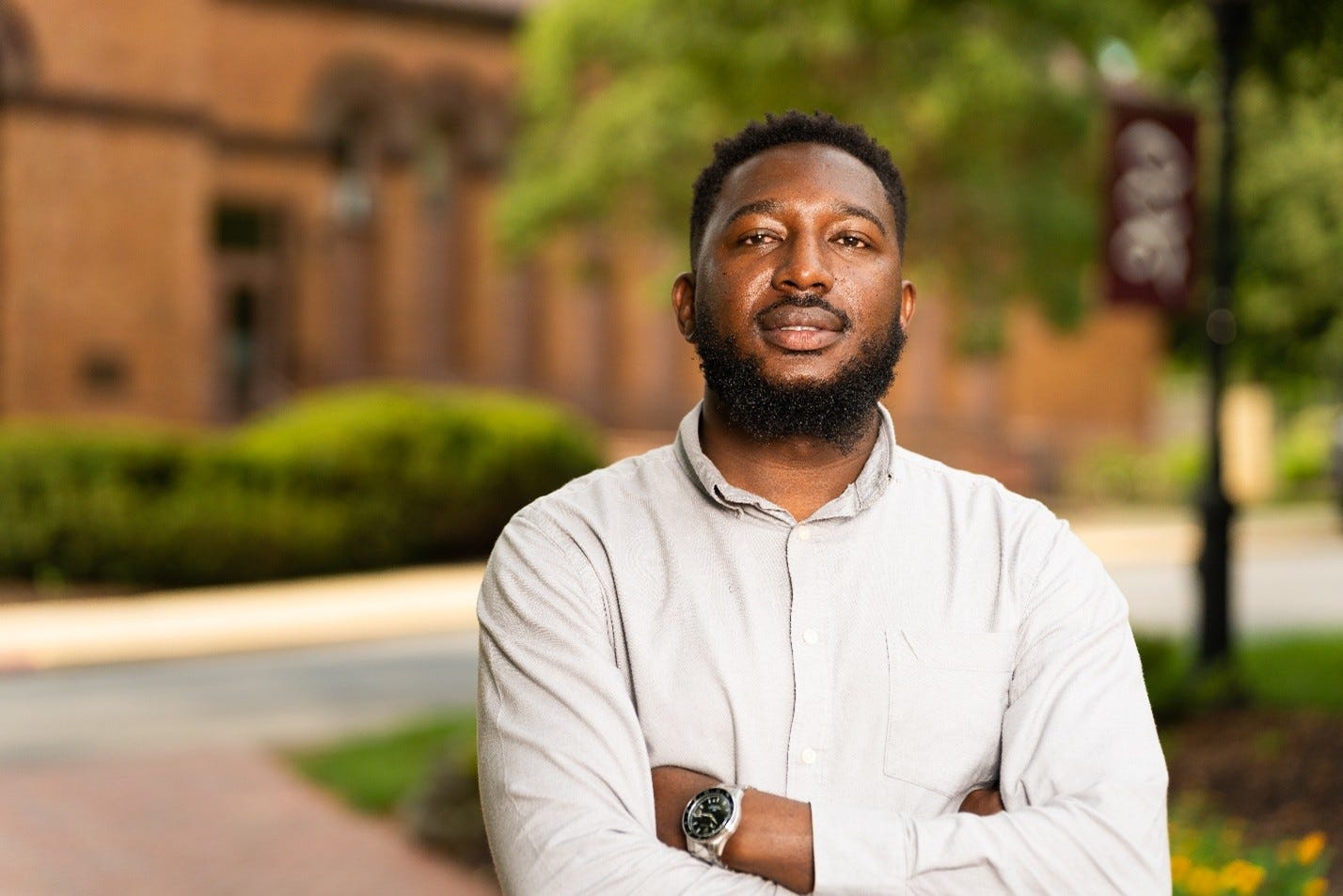
On Lafayette College Week: Soccer had a moment during the World Cup. Will the momentum persist?
Abraham Seda, assistant professor of history, details the possibilities.
Faculty Bio:
Abraham Seda is an assistant professor of history at Lafayette College. He is currently writing a book on boxing and colonialism in Rhodesia.
Transcript:
The 2026 FIFA World Cup sparked a wave of enthusiasm across the United States that took the country by storm. But in many ways, this moment is the result of a century-long effort for the world’s most popular sport to gain a lasting place in American sports.
For much of the twentieth century, soccer lacked the college and professional infrastructure, along with the stable national organizations, that helped other American sports grow. Dedicated places to play beyond high school were rare. Combined with the absence of strong player development pathways and cultural narratives that celebrated American football’s physicality and the homegrown roots of baseball and basketball, soccer remained on the margins of the US sports landscape. Even the arrival of a global superstar like Edson Arantes do Nascimento—better known as Pelé—couldn’t overcome these historic challenges.
Research shows trends began to shift in the late twentieth and early twenty-first centuries. The growth of youth soccer programs created new opportunities for young players to develop and compete. Immigration patterns also changed, bringing more people from regions where soccer is woven into everyday life, expanding both the fan base and the talent pipeline across the country. Simultaneously, cable television, streaming services, and social media have made it easier than ever for Americans to follow leagues and teams from around the world—and tap into global fan cultures.
Together, these changes transformed soccer from a niche sport into a meaningful part of the American sports landscape.
As the World Cup becomes a cultural memory, history suggests soccer’s future in the United States won’t depend on a single tournament or moment of excitement, but rather the long-term demographic, cultural, and institutional changes that have already reshaped the game’s place in American life.